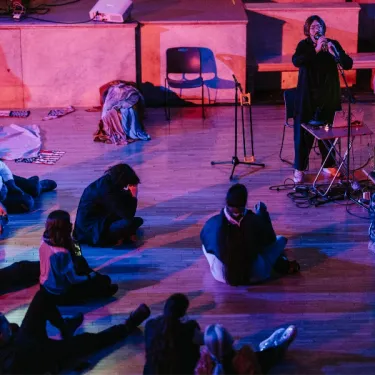
Bahauddin Dagar in Concert
Up to Free for members
May 29, 7:30pm (doors 7)
DiMenna Center, Cary Hall
450 W 37th St, NY
$40 adv/$50 at the door
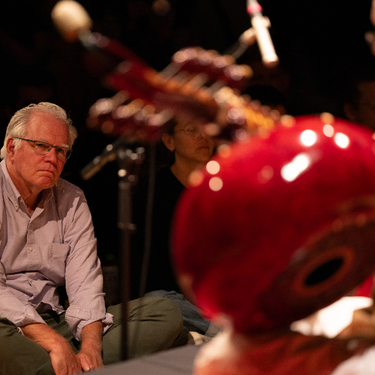
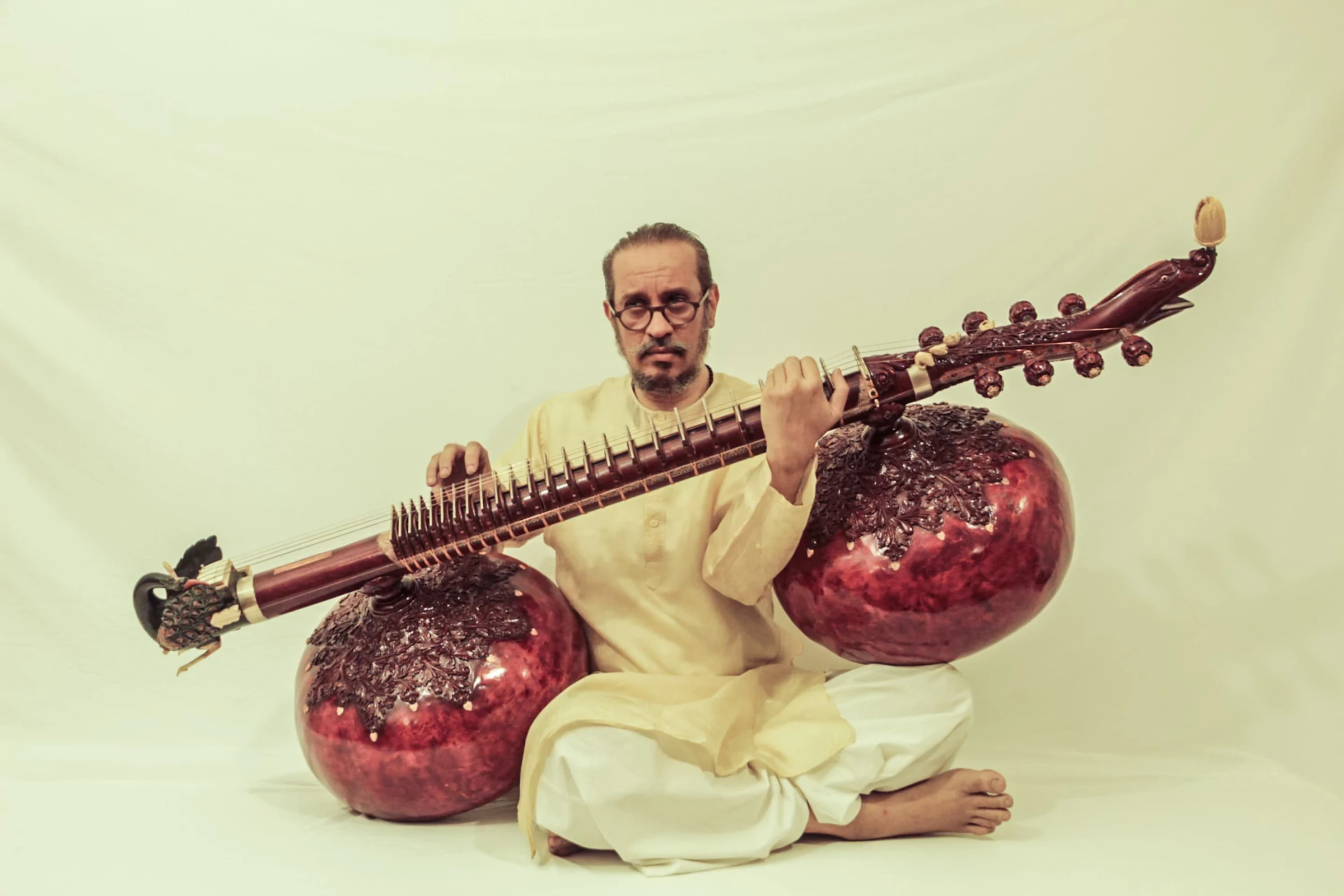
Ustad Bahauddin Dagar, renowned rudra veena player and torchbearer of the the Dagarvani tradition of Dhrupad, the oldest living form of Indian classical music, returns to the DiMenna Center for a major, evening-length concert as part of his multi-year residency with FourOneOne. Ustad Dagar will be accompanied by Tejas Tope (pakhawaj) and Ted Murano (tanpura).
Dhrupad communicates principally through emotions expressed in its characteristic structures: long, achingly subtle melodic unfoldings that eventually yield to ecstatic, rhythmically explosive passages. A performance is at once spontaneous and deeply grounded in the framework of the raga (“that which colors the mind”). Ideally, the performer becomes a channel, allowing both themselves and the audience to inhabit states analogous to the “pure bliss of the realization of reality.” This is, above all, a music of feeling, one that has engaged listeners from all over the world at the deepest possible levels.
Born in Mumbai in 1970, Ustad Bahauddin Dagar began studying sitar at age seven with his mother, Smt. Pramila Dagar, and later became a student of his father, Ustad Zia Mohiuddin Dagar, and his father’s brother, renowned singer Zia Faridudin Dagar. Since his formal debut as a musician in 1990, Ustad Dagar has become acclaimed for his highly responsive playing style, his expansive, prayerful sound, pursuit of dhrupad’s evolution, and commitment to Dagarvani’s engagement with European and American musicians, composers and audiences.
Dagarvani dhrupad is a deeply rooted and experimental performance tradition that has been practiced continuously by members of the Dagar family since the 15th century. Strictly a vocal music for most of that history, the rudra veena, one of the oldest string instruments in Hindustani music, was used purely for private study and accompaniment. It was only in the twentieth century that Ustad Zia Mohiuddin Dagar began to perform publicly with the rudra veena as a solo instrument, and, against his own father’s wishes, made physical modifications to the instrument to make it suitable for public performance.
FourOneOne’s ongoing collaboration with Ustad Bahauddin Dagar revives and reimagines the dialogue between this profound tradition and Western audiences, performers, scholars and students, first initiated in the 1960s by the Senior Dagar Brothers Nasir Moinuddin and Nasir Aminuddin, and continued by Ustad Dagar’s father, Zia Mohiuddin Dagar, uncle Zia Fariduddin Dagar, and others from the 1970s through the present day.
Photo: Samraggi Debroy.